

Austin Trauma Therapy Center Hosts Retreat Focused on Rest and Healing

Trauma-Focused Mental Health Services.

Growing Demand for Trauma Services.

Adapting to Evolving Metal Health Need.
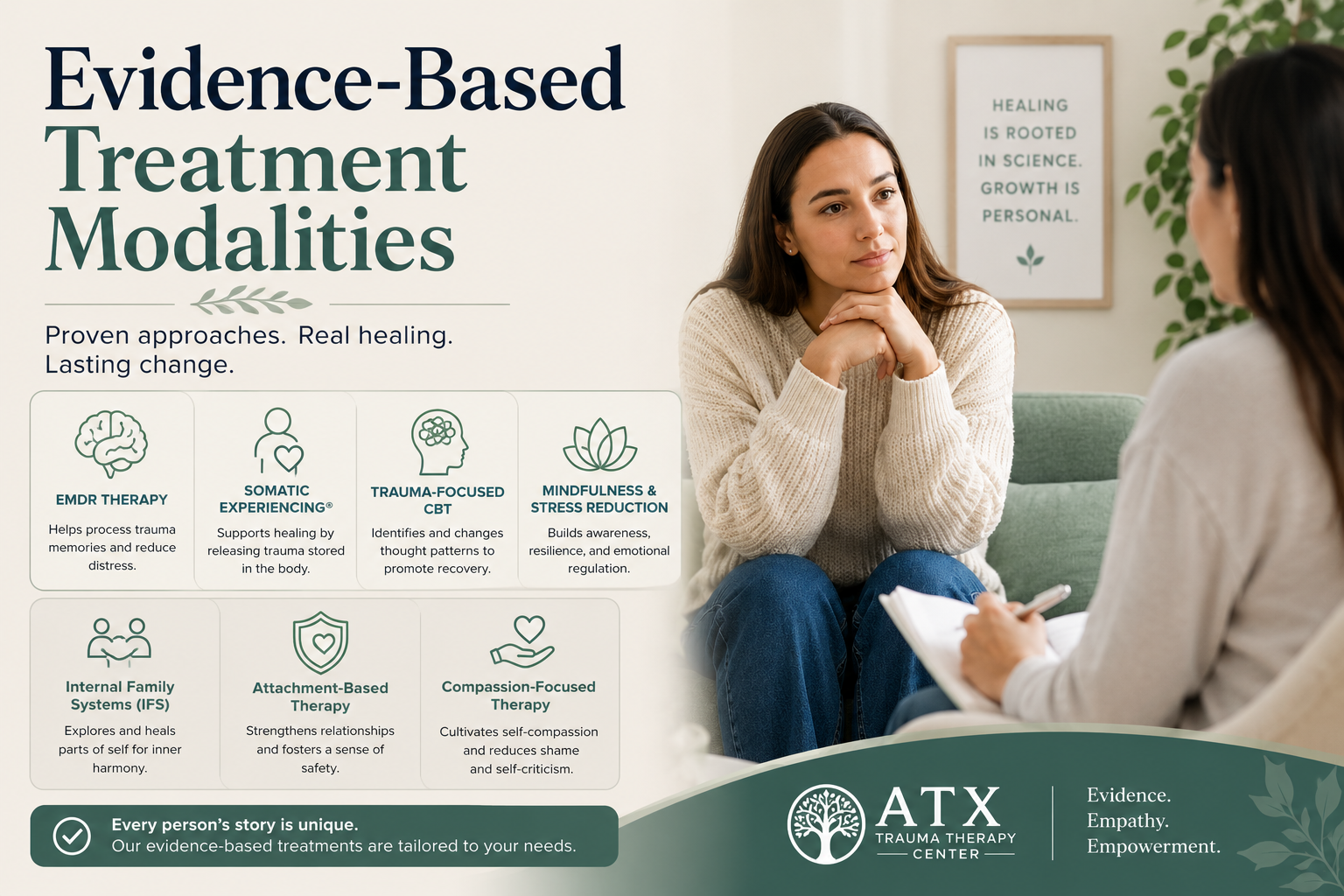
Evidence-Based Treatment Modalities.
A review of services, treatment approaches, and community impact at Austin Trauma Therapy Center highlights its evidence-based trauma care.
AUSTIN, TX, UNITED STATES, June 23, 2026 /EINPresswire.com/ -- The Austin trauma therapy center operates in response to a growing recognition of trauma as a critical public health concern. Trauma can arise from a wide range of experiences, including accidents, abuse, loss, and prolonged exposure to stress. Mental health professionals increasingly emphasize that untreated trauma may lead to long-term psychological challenges such as anxiety disorders, depression, and post-traumatic stress disorder (PTSD). In this context, specialized centers that provide targeted therapeutic interventions play a vital role in supporting recovery and improving quality of life.Growing Demand for Trauma-Focused Mental Health Services
Across the United States, there has been a notable increase in awareness surrounding mental health conditions, particularly those associated with trauma. This shift has been accompanied by a growing demand for services that go beyond general counseling and address the complex nature of trauma.
In Austin, a city known for its expanding population and diverse communities, access to trauma-informed care has become increasingly important. The presence of facilities dedicated to trauma therapy helps meet this demand by providing structured support for individuals who may otherwise encounter barriers in accessing appropriate treatment.
The Austin-based center aligns its services with established trauma-informed care principles. These principles include recognizing the widespread impact of trauma, understanding potential paths for recovery, and integrating this knowledge into policies, procedures, and practices. By adopting this framework, the center aims to create an environment where individuals feel safe, respected, and empowered throughout their therapeutic journey.
Comprehensive Range of Services
The center offers a wide array of therapeutic services designed to address the diverse needs of individuals experiencing trauma-related challenges. These services are structured to provide both short-term support and long-term therapeutic engagement, depending on individual circumstances.
Common areas of focus include:
• Post-traumatic stress disorder (PTSD)
• Anxiety and panic disorders
• Depression and mood-related conditions
• Grief and loss
• Emotional regulation difficulties
• Stress-related disorders
Each client undergoes an initial assessment to determine specific needs and establish a tailored treatment plan. This individualized approach ensures that therapy is aligned with personal goals, experiences, and preferences.
In addition to individual therapy sessions, the center may incorporate complementary techniques such as relaxation training, coping skill development, and psychoeducation. These elements are designed to enhance the overall effectiveness of treatment and provide clients with practical tools for managing daily challenges.
Evidence-Based Treatment Modalities
A defining characteristic of the Austin trauma therapy center is its reliance on evidence-based therapeutic methods. These approaches are supported by clinical research and are widely recognized for their effectiveness in treating trauma-related conditions.
Among the primary modalities utilized are:
Cognitive Behavioral Therapy (CBT):
CBT is a structured approach that focuses on identifying and changing negative thought patterns and behaviors. It is commonly used to treat anxiety, depression, and PTSD by helping individuals develop healthier ways of thinking and responding to stress.
Eye Movement Desensitization and Reprocessing (EMDR):
EMDR is a specialized therapy designed to help individuals process traumatic memories. Through guided eye movements or other forms of bilateral stimulation, clients are able to reprocess distressing experiences in a controlled and supportive setting.
Somatic-Based Therapies:
These approaches emphasize the connection between the mind and body. Trauma is often stored physically, and somatic therapies aim to release this tension through body awareness and movement-based techniques.
Mindfulness and Stress Reduction Practices:
Mindfulness techniques are integrated into therapy to help individuals stay present and manage overwhelming emotions. These practices support emotional regulation and enhance resilience over time.
The combination of these modalities allows therapists to address trauma from multiple perspectives, increasing the likelihood of positive outcomes.
Emphasis on Client-Centered Care
The center’s operational philosophy is rooted in a client-centered care model. This approach prioritizes the unique experiences, preferences, and goals of each individual seeking treatment.
Therapists work collaboratively with clients to develop treatment plans that are flexible and responsive to progress. Rather than applying a one-size-fits-all approach, care is continuously adapted based on feedback and evolving needs.
Sessions are designed to provide adequate time for meaningful engagement. This extended-session format allows for deeper exploration of issues and supports a more thorough therapeutic process. By offering sufficient time during appointments, the center aims to foster a stronger therapeutic relationship and encourage sustained progress.
The center also emphasizes wellness care and ongoing support for its therapists, recognizing that maintaining clinician well-being is essential to sustaining high-quality, compassionate, and client-centered care.
Confidentiality and trust are central to this model. Clients are assured that their personal information and experiences are handled with the highest level of discretion, creating a safe environment for open communication.
Role in the Local Community
Beyond individual therapy services, the Austin-based center contributes to the broader community by promoting awareness and understanding of trauma and mental health. Educational initiatives and outreach efforts are often used to reduce stigma and encourage individuals to seek help when needed.
Mental health stigma remains a significant barrier to care, preventing many individuals from accessing the support they require. By engaging with the community and providing accurate information about trauma and its effects, the center plays a role in normalizing conversations around mental health.
Additionally, the presence of specialized trauma services strengthens the overall healthcare ecosystem in Austin. It provides an option for individuals who require more focused care than general counseling services may offer.
Accessibility and Operational Structure
Accessibility is an important consideration for any healthcare provider, and the center has structured its operations to accommodate client needs. With scheduled hours throughout the week, individuals have the opportunity to seek consistent and reliable support.
The center’s location in Austin allows it to serve a broad segment of the population, including individuals from surrounding areas. Clear communication channels, including phone-based inquiries, support the process of scheduling and accessing services.
Efforts to maintain accessibility also include minimizing administrative barriers and ensuring that clients can begin therapy without unnecessary delays. This streamlined approach is particularly important for individuals experiencing acute distress, who may require timely intervention.
Commitment to Professional Standards
Maintaining high professional standards is essential in the field of mental health care. Practitioners at the center are trained in trauma-informed approaches and adhere to ethical guidelines established within the profession.
Ongoing training and professional development are prioritized to ensure that therapists remain informed about advancements in trauma treatment. This commitment to continuous learning supports the delivery of high-quality care and allows the center to incorporate new techniques as they emerge.
Ethical considerations such as informed consent, respect for client autonomy, and cultural sensitivity are integral to all aspects of service delivery. These principles help build a foundation of trust and ensure that clients feel respected and valued throughout their therapeutic experience.
Therapeutic Environment and Client Experience
The physical and emotional environment of a therapy center can significantly influence treatment outcomes. Recognizing this, the facility has been designed to create a calm and welcoming atmosphere.
A supportive environment helps reduce anxiety and encourages clients to engage more openly in therapy. Attention to factors such as privacy, comfort, and minimal external distractions contributes to a setting that is conducive to healing.
In addition to the physical space, the interpersonal environment created by therapists plays a crucial role. Empathy, active listening, and non-judgmental communication are key elements that support a positive client experience.
Adapting to Evolving Mental Health Needs
The field of mental health is continuously evolving, with new research and approaches emerging over time. The Austin trauma therapy center demonstrates an awareness of these changes and a commitment to adapting its services accordingly.
As societal understanding of trauma deepens, there is an increasing emphasis on holistic and integrative approaches to care. This includes addressing not only psychological symptoms but also physical, emotional, and social factors that contribute to overall well-being.
The center’s ability to incorporate diverse therapeutic methods positions it to respond effectively to these evolving needs. By remaining flexible and responsive, it can continue to serve individuals in a dynamic and changing healthcare environment.
Long-Term Impact and Outlook
The long-term impact of trauma therapy extends beyond symptom reduction. Effective treatment can lead to improved relationships, enhanced emotional resilience, and greater overall life satisfaction.
The expanded review of the Austin trauma therapy center highlights its role as a provider of comprehensive, evidence-based trauma care in Austin, Texas. Through its focus on individualized treatment, professional standards, and community engagement, the center addresses a critical need within the mental health sector.
By integrating research-backed methodologies with a client-centered approach, the facility supports individuals in navigating the complexities of trauma and working toward recovery. As awareness of mental health continues to grow, centers dedicated to trauma-informed care are likely to remain an essential component of the healthcare landscape.
About Austin Trauma Therapy Center
Austin Trauma Therapy Center is a mental health service provider based in Austin, Texas, specializing in trauma-informed therapeutic care. The organization offers evidence-based treatment approaches designed to support individuals experiencing trauma-related conditions, including PTSD, anxiety, and depression. With a focus on structured care, professional ethics, and accessibility, the center aims to contribute to improved mental health outcomes through comprehensive and individualized therapy services.
Contact Information
Location: 2111 Dickson Street; Suite 16; Austin, TX 78704
Phone Call: 1-855-HEAL (4325)-111
Opening Hours: Mon - Sat: 10.00 AM - 4.00 PM
Owner
Austin trauma therapy center
+1 512-270-8215
care@atxtraumatherapycenter.com
Visit us on social media:
Instagram
Facebook
Legal Disclaimer:
EIN Presswire provides this news content "as is" without warranty of any kind. We do not accept any responsibility or liability for the accuracy, content, images, videos, licenses, completeness, legality, or reliability of the information contained in this article. If you have any complaints or copyright issues related to this article, kindly contact the author above.
