

Factors Driving PDT LED Light Therapy Machine Prices in 2025: A Market Overview
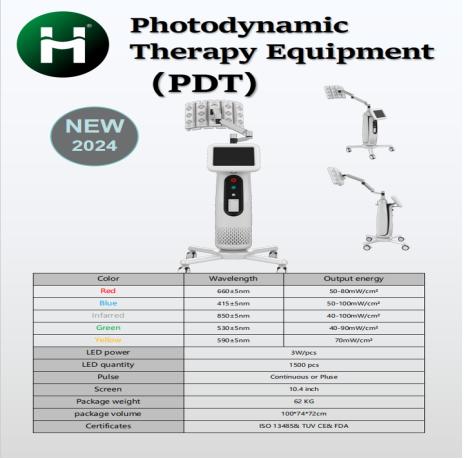
As non-invasive skincare and aesthetic treatments continue to grow worldwide, Photodynamic Therapy (PDT) LED Light Therapy has become one of the most effective solutions for a variety of skin concerns. From acne and pigmentation to fine lines, wrinkles, and overall skin rejuvenation, PDT therapy is increasingly adopted by dermatologists, medical aesthetic clinics, and beauty centers.
With more clinics seeking high-quality, reliable devices, understanding the factors that influence the price of PDT LED Light Therapy machines is crucial for informed purchasing decisions. One leading manufacturer in this space is Shandong Huamei Technology Co., Ltd. (Huamei), located at the Central Business District of Kite-Weifang City, China. With over 20 years of experience in producing laser beauty machines, Huamei has earned a strong reputation for its durable products, advanced technology, and excellent after-sales service.
2. Huamei: A Manufacturer of PDT LED Light Therapy Devices
Shandong Huamei Technology Co., Ltd. is a technology-oriented enterprise focused on the development, production, sales, and service of medical and aesthetic devices. Its product line includes medical diode laser systems, IPL treatment systems, Nd:YAG laser therapy systems, photodynamic therapy (PDT) equipment, and fractional CO2 laser systems.
Huamei’s manufacturing and engineering team includes specialists in optics, electronics, and clinical application, who are responsible for device design, quality control, and safety compliance. The company’s products are distributed to multiple international markets and comply with relevant quality and safety standards such as ISO 13485, FDA (USA), TGA (Australia), and European Commission Notified Body certifications.
3. Key Factors Affecting PDT LED Light Therapy Device Prices
The pricing of PDT LED light therapy machines is influenced by multiple technical, regulatory, and operational factors. These factors determine the device’s manufacturing cost, clinical suitability, and long-term use value.
(1) LED Technology and Wavelength Configuration
The LED light source is the core component of a PDT device, and its quality directly affects both efficacy and cost. Key technical indicators include:
Wavelength accuracy: Common wavelengths include 415 nm, 530–560 nm, 630–660 nm, and 830–850 nm, each corresponding to different treatment targets.
Irradiance (mW/cm²): Higher irradiance can shorten treatment time but requires more robust power supply and heat management.
LED lifespan: Devices with longer lifespan LEDs (often 50,000–100,000 hours) require higher-grade components and more stringent manufacturing standards.
Devices offering multiple wavelength options, higher irradiance, and more stable output tend to be priced higher, as they require more complex design and quality assurance.
(2) Device Size, Design, and Treatment Coverage
PDT devices are available in multiple forms, ranging from small wearable masks to large clinical systems. Device size and treatment area directly impact the number of LEDs required, structural design, and thermal management.
Wearable masks: Small size and simple structure make them relatively affordable, suitable for light professional use or home use.
Multi-panel clinical devices: These systems require adjustable panels, stronger frame structure, and larger coverage, leading to higher material and manufacturing costs.
Full-body beds or chambers: This type requires extensive lighting arrays, sophisticated cooling systems, and higher safety standards, which significantly increase overall cost.
The treatment area and design complexity are therefore major determinants of device price.
(3) Control Systems, Software, and User Interface
Professional PDT devices often include advanced control systems, which also influence pricing. Common features include:
Touchscreen interface: Improves usability and reduces operational errors.
Programmable treatment protocols: Enables standardized treatment plans and adjustable parameters.
Connectivity and data management: Supports record-keeping and remote control.
Cooling systems: Required for long-term continuous use in clinics.
More sophisticated control systems require additional hardware and software development, increasing the final price.
(4) Certifications and Regulatory Compliance
Medical aesthetic devices must meet relevant safety and performance standards. Certification costs and compliance requirements are reflected in product pricing. Common certifications affecting pricing include:
FDA (USA) approval
TGA (Australia) certification
CE / Notified Body compliance in the EU
ISO 13485 quality management certification
Devices with comprehensive international certifications generally involve higher manufacturing and documentation costs, but they provide stronger clinical use assurance and market access.
(5) Materials, Build Quality, and Durability
Device durability affects long-term use costs and maintenance requirements. Professional devices often use higher-grade materials such as medical-grade ABS or polycarbonate shells, metal frames, and industrial power supplies. These materials improve device stability and lifespan but increase manufacturing costs.
Lower-cost devices may use lighter materials and simpler structures, which reduce initial investment but may lead to higher maintenance costs over time.
(6) Brand Reputation and After-Sales Support
Brand reputation and service capability also influence price. Established manufacturers with longer operating histories typically set higher prices due to proven quality control, stable supply chain, and more complete after-sales support. Clinics may consider service availability, training, warranty, and spare parts supply when evaluating total cost.
4. Typical Price Ranges of PDT LED Light Therapy Devices
According to industry observation, PDT LED devices are generally segmented into the following price ranges based on technology and application scenarios:
Entry-level wearable masks: $200–$500
Mid-range portable panels or tabletop devices: $500–$2,000
Professional multi-panel clinical systems: $2,000–$6,000
Premium medical-grade devices: $6,000–$12,000+
Full-body PDT beds and chambers: $12,000–$40,000+
Different market segments have different requirements for treatment area, stability, and compliance, which explains the wide price range.
5. Conclusion
The price of PDT LED light therapy machines is shaped by multiple factors, including LED technology, treatment coverage, control systems, certifications, materials, and brand service capability. From entry-level wearable masks to full-body clinical systems, the market presents a broad range of price options. For clinics and practitioners, selecting the appropriate device should consider not only the initial investment but also treatment efficacy, long-term reliability, and regulatory compliance.
Shandong Huamei Technology Co., Ltd. (Huamei)
Shandong Huamei Technology Co., Ltd. (Huamei)
0086-536-2110008
info@huameilaser.com
Legal Disclaimer:
EIN Presswire provides this news content "as is" without warranty of any kind. We do not accept any responsibility or liability for the accuracy, content, images, videos, licenses, completeness, legality, or reliability of the information contained in this article. If you have any complaints or copyright issues related to this article, kindly contact the author above.
